
-

From Professional Development to Professional Learning
“Professional learning is not an event; it is a behavior. It is ongoing, participatory, and tightly aligned with instructional goals. Intentionally designed support structures shift professional learning from one-off events to sustainable practice.”
-

Exploring the Impact of Continuous Professional Development on Teacher Performance: Insights from Students and Teachers
This study examines the impact of teachers’ continuous professional development on their performance through indicators that ensure quality in education.
-

Professional Development for Educators: A Review of the Research
Research in the past 15 years indicates that PD is most effective when it is sustained, collaborative, content-focused, and aligned with educators’ needs. This review summarizes key findings, evidence of impact, best practices, and limitations.
-

Research Effectiveness of PD and Collaborative Learning in K-12 Schools.
Most (67 percent) teachers said collaborative learning opportunities with other teachers improved their teaching and/or their students’ learning, according to a nationally representative RAND survey of K-12 public school teachers. Federal funding available via Title II, Part A…
-

Teacher Professional Development, Explained
When professional development is done well, it provides an opportunity for teachers to grow their knowledge and sharpen their skills, which can lead to better student outcomes. It’s a way for teachers to collaborate with their colleagues, and one avenue through which administrators can support their teachers. Read on for an overview of the field: what…
-

Effective Teacher Professional Development
Sophisticated forms of teaching are needed to develop student competencies such as deep mastery of challenging content, critical thinking, complex problem solving, effective communication and collaboration, and self-direction. In turn, effective professional development (PD) is needed to help teachers learn and refine the instructional strategies required to teach these skills.
-

Coaching Benefits Individuals & Build Strong Teacher Communities
Effective Coaches educate teachers about best practices within their content area while supporting leaders through personalized development plans that align with their goals and personal interests (e.g., developing effective group activities). These relationships build strong teacher communities while pursuing common goals.
-
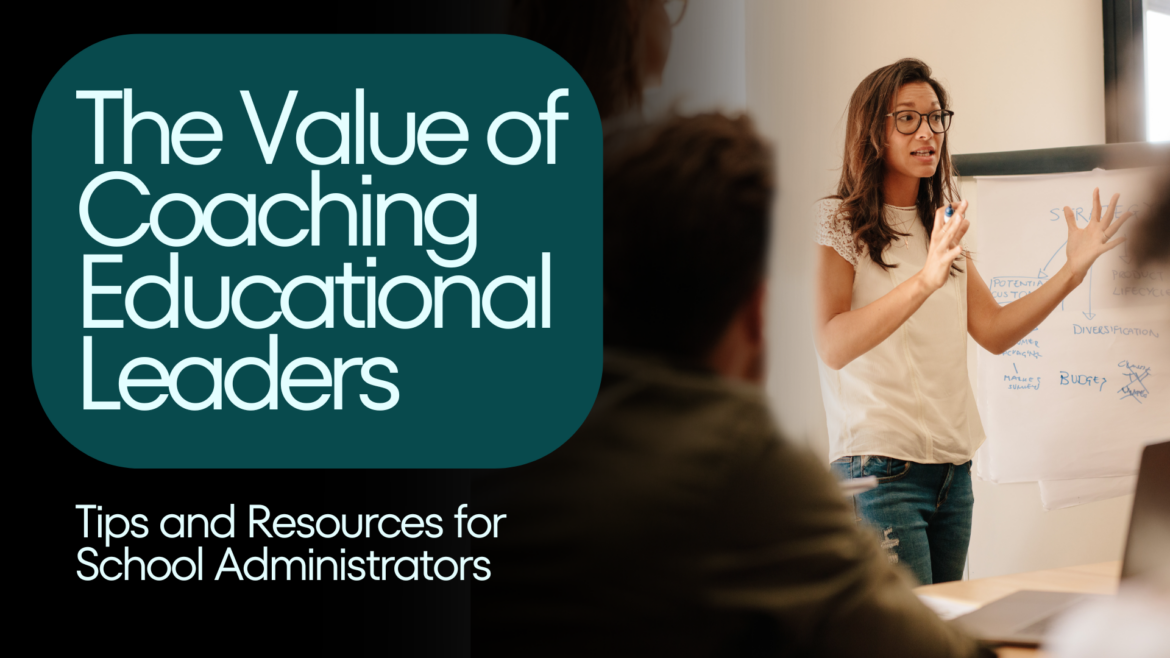
The Value of Coaching Educational Leaders
With an increasing focus on student outcomes, teacher effectiveness, and overall school performance, the role of school leaders has grown exponentially in complexity. One approach that has consistently demonstrated its value in this challenging environment is Leadership Coaching. Leadership Coaching empowers educational leaders to enhance their leadership skills, make better-informed decisions, and create a more…
-

Helping School Leaders Embrace a Peer Coaching Plan
Unlike top-down training or isolated mentoring, peer coaching creates space for school leaders to reflect together, exchange strategies, and support one another in real time–all of which builds professional confidence and positively impacts every student in both behavior and achievement.
-

Fostering, Tailoring, Negotiating
Recent research has examined the influential role coaches may play in supporting teachers’ collective capacity building for instructional improvement. While emerging research is promising, much remains to be learned about collaborative approaches to coaching, particularly in schools with the greatest opportunity gaps.